KPA – Complete, Continuous Compliance for All Automotive Industries

Manage compliance risk across your business with software, consulting, and training in one place.
The leading solution for OSHA, EPA, and environmental health and safety compliance.
Protect your business with compliance solutions for data privacy and cybersecurity.
Stay compliant from your advertising to your deal jackets.
Support your workforce with HR compliance solutions, from wage rules to paid leave.
Simplify tracking and make smarter, data-driven compliance decisions.
Trusted consultants who help you navigate compliance with clarity and confidence.
Award-winning compliance training and certifications your team will actually retain.
Compliance solutions built for modern dealerships.
Compliance for auto maintenance shops like oil & lube, tire centers, and more.
eBooks, checklists, and guides to help you stay compliant.
Insights into how regulations are evolving across the automotive industry.
See how businesses like yours reduce risk and stay compliant with KPA.
OSHA, EPA, FTC, and state rules explained for automotive businesses.
Our approach to security, privacy, and data protection.
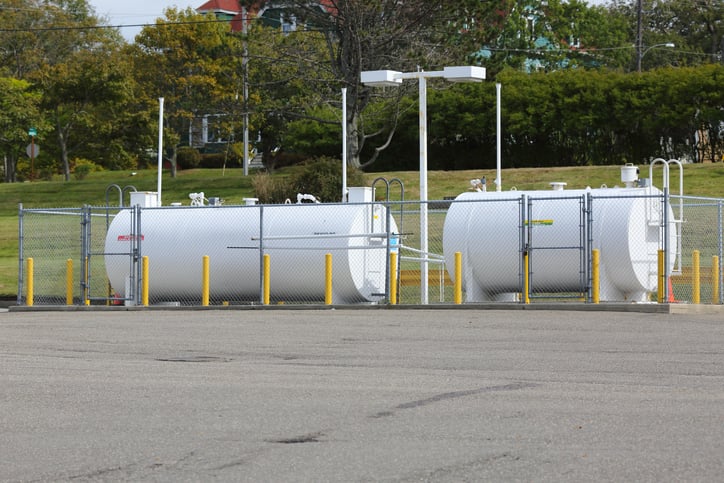
The fuel tank out back, or a few drums of oil beside a full bulk tank, can cross EPA's 10,000-pound reporting threshold. For motor oil, that's about 1,350 gallons. KPA confirms what's reportable, prepares your Tier II report and files it with your state before March 1.

Replace the March 1 guess with a count of your own fuel and oil
Your KPA consultant already knows your lube bay, your fuel and bulk oil tanks and where the used oil drums wait for pickup. Each year KPA confirms what changed, works out what's reportable and puts the report in front of your management for final review before it's filed. Between visits, every tank and drum is tracked in Vera Suite, so the count is ready before the report is due.
Explore the steps that get every drum and tank on the report.
Gasoline and diesel tracked by tank, above ground or below
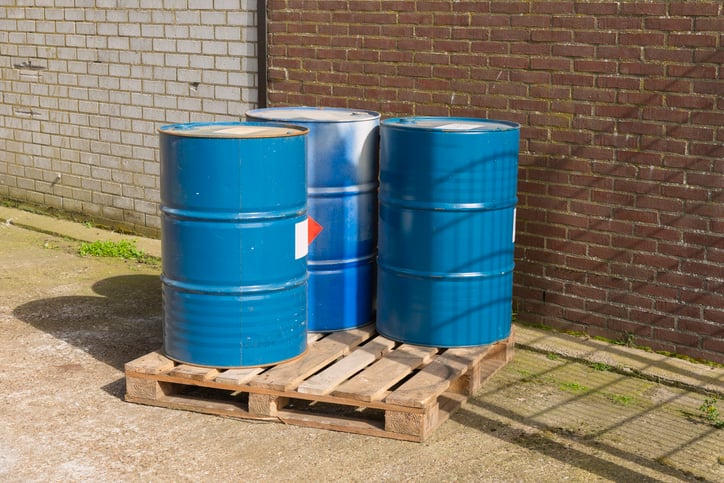
New oil, used oil, transmission fluid and gear oil tracked by drum, tote and bulk tank
Peak quantity captured, including the day a delivery tops off the bulk tank
Gallons converted to pounds using the density on each product's SDS
Annual check-in on new tanks, supplier changes and pickup schedules
Each product's SDS checked to confirm whether it counts as hazardous
The same product added up across every drum, tote and tank in the building
10,000-pound federal threshold applied to the highest amount on site on any day
Draft report reviewed with your management before submission
Facility details, emergency contacts and storage locations confirmed each year
Filed electronically through your state's approved method before March 1
Records of the oil types and quantities on site kept for inspectors
Any facility that must keep an SDS under OSHA's Hazard Communication Standard has to file a Tier II report when a hazardous chemical was on site above its threshold at any one time last year (40 CFR 370.10). For fuel and oil, that threshold is 10,000 pounds. The report goes to the state emergency response commission, the local emergency planning committee and the local fire department by March 1 (40 CFR 370.45), so firefighters know where the fuel and oil are before they walk in.
The test is the most fuel or oil on site on any single day, not the yearly average. A delivery day with full drums and a topped-off bulk tank is the number that counts.
The same product is added up across every drum, tote and tank at the facility, wherever it is stored.
The SDS decides whether an oil counts. Some new motor oils aren't classified as hazardous, while some used oil SDSs are.
EPA's June 22, 2026 final rule replaces the Tier II hazard categories with OSHA's own hazard classes (91 FR 37022).
Your report due March 1, 2027 uses the current categories. The report due March 1, 2028 uses the new ones.
EPA expects that 2028 report to draw on SDSs updated to OSHA's 2024 format, so the SDS for every fuel and oil in the building has to be current first.
Penalty line: In 2026, an EPCRA Section 312 violation carries a civil penalty of up to $71,545, with each day a separate violation. The 2025 amount carried over after the 2026 federal inflation adjustment was cancelled.
What automotive businesses ask about when we talk Tier II
A Tier II report, or Emergency and Hazardous Chemical Inventory Form, tells state and local emergency planners and your fire department which hazardous chemicals were at your facility last year. It lists how much was there, how it was stored and where. EPCRA Section 312 requires it every year you go over a threshold.
You do if a hazardous chemical was on site above its threshold at any one time last year. For most stores, fuel and oil are what get them there: a gasoline or diesel tank, drums of new oil, a bulk oil tank and used oil waiting for pickup.
For motor oil, the 10,000-pound threshold is about 1,350 gallons, or roughly 25 full 55-gallon drums. Other oils weigh differently, so convert with the density on each product's SDS, then add up every drum, tote and tank of the same product. A bulk tank plus a pallet of drums can get there on a single delivery day.
Yes. Gasoline and diesel in a dealership's tanks count toward the 10,000-pound threshold, whether the tank sits above or below ground. The higher thresholds of 75,000 gallons of gasoline and 100,000 gallons of diesel apply only to retail gas stations selling to the public from compliant underground tanks.
It can. Tier II covers products classified as hazardous under OSHA's Hazard Communication Standard, and used oil SDSs differ: some classify it as hazardous and some don't. Check the SDS your used oil collector provides. If it counts, the drums waiting for pickup count too.
The most. Tier II looks at whether you were over the threshold at any one time last year, and the report lists both your maximum and your average daily amount. If a delivery put you over 10,000 pounds for a single day, you file.
March 1 every year, covering the previous calendar year. The next report, covering 2026, is due Monday, March 1, 2027. You file every year you are over a threshold, even when nothing changed since last year.
Your state decides. Some states use EPA's Tier2 Submit software and others run their own online system. Either way, the report has to reach your state emergency response commission, your local emergency planning committee and your local fire department, and you are responsible for confirming all three received it. Many states also charge a filing fee.
Federal civil penalties for a Section 312 violation reach $71,545 in 2026, and each day counts as a separate violation. Many states add their own penalties. The bigger cost is practical: a fire department responding to your building would not know where the fuel and oil are stored.
One annual check-in and a sign-off. Your consultant confirms new products, storage changes and drum and tank quantities, works from your SDS library and sends the draft report to your management for review. Once you approve it, KPA files it and keeps the confirmation in your compliance file.
Since 1986, we've seen it all. Explore the resources our clients rely on most.
Running a dealership isn’t just about selling cars. It’s about protecting your team and meeting strict safety and regulatory standards. This checklist gives you a clear path to building an EHS program that actually works.

The FTC recently sent warning letters to 97 dealership groups, reinforcing a clear message: misleading advertising won’t be tolerated. Use this checklist to review your current practices against the flagged issues and see where you may be at risk.

Organizations with strong onboarding retain up to 50% more new hires. That advantage shows up in your bottom line. This guide breaks down how to build an onboarding program that sets your team up to succeed from day one.

2569 Park Lane
Suite 108
Lafayette, CO 80026
© 2026 KPA | All Rights Reserved | Privacy Policy | Consent Preferences