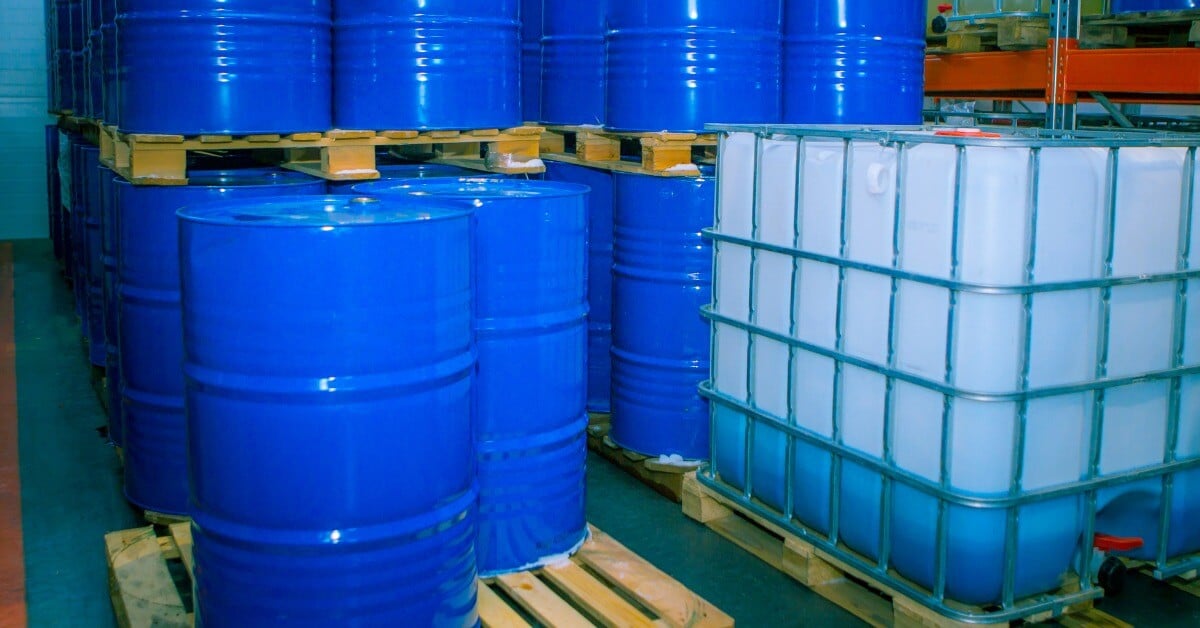
Every service bay and paint booth makes waste. Some of it is regulated as hazardous waste under the Resource Conservation and Recovery Act (RCRA), and the shop that made it stays responsible for it until it's properly disposed of, even after the hauler drives away. Here's how to sort it, count it, store it, and document it.
What Is Hazardous Waste in an Automotive Operation?
Under RCRA, a material has to be a solid waste first, meaning something you're discarding. It's hazardous waste if EPA lists it or if it shows one of four characteristics:
- Ignitable: liquids with a flash point below 140°F, like many spent parts-washer solvents and paint thinners.
- Corrosive: strong acids or bases, like battery acid.
- Reactive: materials that can explode or release toxic gases. This is uncommon in auto shops.
- Toxic: waste that can leach certain contaminants above set limits, like spent parts-washer fluid containing benzene or tetrachloroethylene.
- Keep containers closed except when adding waste.
- Use containers that are compatible with the waste and in good condition.
- Label each container "Hazardous Waste" with an indication of its hazard.
- Keep no more than 55 gallons per area. Once you go over, date the container and move the excess to the central area within three consecutive days.
Listed wastes come from EPA's F, K, P, and U lists. The one shops run into most is the F-list for spent solvents, which can catch some degreasers and paint gun cleaners. Characteristic wastes are identified by testing or by what you know about the material, often from its safety data sheet. Many states run their own programs, and some are stricter than the federal rules, so check your state before relying on federal thresholds.
The takeaway: if you can't say why a waste stream is or isn't hazardous, you haven't made a waste determination yet.
Which Auto Shop Waste Streams Are Typically Hazardous?
Classification depends on what's in the product, what it touched, and your state's rules. Here's where common streams usually land.
|
Waste Stream
|
Typical RCRA Status
|
Common Handling Error
|
|
Used solvent (parts washers, brake cleaner)
|
Often hazardous: ignitable, toxic, or F-listed
|
Pouring chlorinated brake cleaner residue into the used oil drum
|
|
Waste paint, thinners, and gun wash
|
Often hazardous: ignitable and often F-listed
|
Leaving gun wash containers open in the booth
|
|
Contaminated absorbents and wipes
|
May be hazardous, depending on what they absorbed
|
Tossing solvent-soaked rags in the regular trash
|
|
Aerosol cans
|
Hazardous if not empty; usually manageable as universal waste
|
Puncturing cans without proper equipment or procedures
|
|
Lead-acid batteries
|
Hazardous; usually managed as universal waste or recycled
|
Storing cracked batteries with no containment
|
|
Fluorescent and other mercury lamps
|
Often hazardous; usually managed as universal waste
|
Breaking lamps to save space
|
|
Antifreeze
|
Often not hazardous, but may be if contaminated with fuel or metals
|
Mixing it with solvent or used oil
|
|
Used oil
|
Managed under separate used oil rules when recycled
|
Adding solvent, which can turn the whole drum into hazardous waste
|
Used oil has its own rules. Used oil that's recycled is managed under 40 CFR Part 279, not the full hazardous waste rules, as long as it stays clean. Used oil with more than 1,000 parts per million of total halogens is presumed to be mixed with hazardous waste. That's why chlorinated brake cleaner in the oil drum is such a costly mistake.
Universal waste is simpler. Batteries, lamps, and aerosol cans can usually be managed under streamlined universal waste rules, with lighter labeling and longer storage limits. States decide whether to adopt each category, so confirm yours. Knowing what comes into the shop makes this easier, which is where chemical inventory management for auto shops helps.
How Do Auto Shops Determine Their Generator Category?
Your generator category sets most of your obligations. Here are the federal thresholds.
|
Category
|
Monthly Generation
|
Key Obligations
|
|
VSQG (very small)
|
100 kg (about 220 lbs) or less
|
Identify your waste, never keep more than 1,000 kg on site, and send it to an authorized facility
|
|
SQG (small)
|
More than 100 kg and less than 1,000 kg
|
EPA ID number, 180-day accumulation limit, 6,000 kg on-site limit, manifests, and basic training and emergency procedures
|
|
LQG (large)
|
1,000 kg (about 2,200 lbs) or more
|
EPA ID number, 90-day accumulation limit, written contingency plan, annual training, and biennial reporting
|
Category is based on how much hazardous waste a single site generates in a calendar month, so it isn't a permanent label. A month with a big paint booth cleanout can push a VSQG into SQG for that month, and the higher category's rules apply. EPA's episodic generation provisions let a site keep its usual category through one unusual event per year, if it follows specific notice and handling rules. Generating more than 1 kg of acutely hazardous waste in a month also makes a site an LQG, though that's rare in auto shops.
For dealer groups and multi-shop operators, category is counted per rooftop, not across the group. Universal waste and used oil managed under their own rules generally don't count toward the total. For scale, 100 kg is roughly half of a 55-gallon drum of liquid waste, which is why spent solvent volume is usually the number to watch.
How Should Hazardous Waste Be Stored in a Multi-Bay Shop?
A satellite accumulation area (SAA) sits at or near where the waste is made, like a solvent drum beside the parts washer or a waste can in the paint mixing room, under the control of the people using it. A central accumulation area (CAA) is where full containers wait for pickup. In a satellite area:
The central area follows the same closed, compatible, and labeled rules, plus an accumulation start date on every container, weekly inspections, and enough aisle space for emergency access.
The clock starts when waste enters the central area. SQGs get 180 days, or 270 days if the nearest disposal facility is more than 200 miles away. LQGs get 90 days. VSQGs don't have a federal time limit but can't keep more than 1,000 kg on site. Collision centers face extra paint and solvent waste on top of this, so check out our solution for body shop hazardous waste compliance.
How Do You Label, Manifest, and Document Hazardous Waste?
This is roughly the order an inspector asks for it:
- Label every container "Hazardous Waste" with its hazard, such as ignitable or toxic.
- Add the accumulation start date once a container reaches the central area, or when a satellite area goes over its limit.
- Get an EPA ID number if you're an SQG or LQG. Many states require one for VSQGs too. SQGs must re-notify EPA every four years.
- Ship on a Uniform Hazardous Waste Manifest with a registered transporter. Whoever signs the manifest needs DOT hazmat training, refreshed at least every three years. EPA has proposed phasing out paper manifests in favor of its electronic e-Manifest system.
- Keep signed manifests, waste determinations, and related records for at least three years. If the signed copy doesn't come back from the disposal facility on time, follow up and report it.
Cradle-to-grave means the shop that generated the waste stays responsible for it through final disposal. If a hauler dumps your drums, it's still your EPA ID on the manifest, and the records are how you show you did your part. Waste rules also overlap with chemical labeling and SDS rules, covered in our hazard communication and RCRA requirements FAQs.
Hazardous Waste Inspection Checklist for Auto Shops
Most findings start with one person on one shift. Here's what inspectors usually check first, and who creates each problem.
- Containers closed and labeled (technicians, parts cleaners, painters): open funnels and unlabeled cans are the most common finding.
- Accumulation start dates on central area containers (shop or facility manager).
- Waste streams kept separate (technicians, painters): no solvent, brake cleaner, or antifreeze in the used oil drum.
- Used oil containers labeled "Used Oil" and kept free of solvent (technicians).
- Universal waste labeled and dated (parts and facilities staff).
- Manifests on file with signed return copies (manager).
- Training records for everyone who handles waste or signs manifests (manager).
Because the problems start with people, training is the fix. See our hazardous waste training for employees.
How KPA Supports Hazardous Waste Management
Hazardous waste compliance lives in a lot of places at once: drums in the shop, manifests in a filing cabinet, EPA ID records with the controller, and training records somewhere else. Across multiple rooftops, those pieces drift apart. KPA is built for automotive compliance. Software keeps waste records, tasks, and inspections in one place, consultants walk your shops and find the open drum before an inspector does, and training reaches every technician and painter who creates waste. It fits alongside related rules like automotive surface coating regulations, as part of our EHS compliance for auto dealers.
The goal is a shop where the tech closing the solvent drum on Friday night knows exactly why it matters.
Hazardous Waste FAQs
Is used oil hazardous waste or a separate category?
Used oil that's recycled is managed under its own rules in 40 CFR Part 279. If it's mixed with hazardous waste, like chlorinated solvent, it can become hazardous waste and lose that simpler path.
Do auto shops have to count batteries and lamps toward generator status?
Generally no, if they're managed as universal waste. States set their own universal waste rules, so confirm what yours allows.
What hazardous waste mistakes do inspectors cite first in a body shop?
Open containers, missing labels and accumulation dates, mixed waste streams, and missing manifests. Most come from day-to-day habits in the booth and mixing room.
How often can a dealership's generator category change?
Month to month. Category is based on how much hazardous waste each site generates in a calendar month, so a large cleanout can raise it temporarily.